From Spotlight to Stewardship: What Thoroughbreds Really Need
I got that call—the one I’ve quietly dreaded as the buzz about Thoroughbreds has only gotten louder. You know the kind. The voice on the other end is hesitant but hopeful, looking for help after something has already gone sideways. And as someone who’s been advocating for Thoroughbreds for years, I could feel my heart sink. I knew immediately what this call was about.
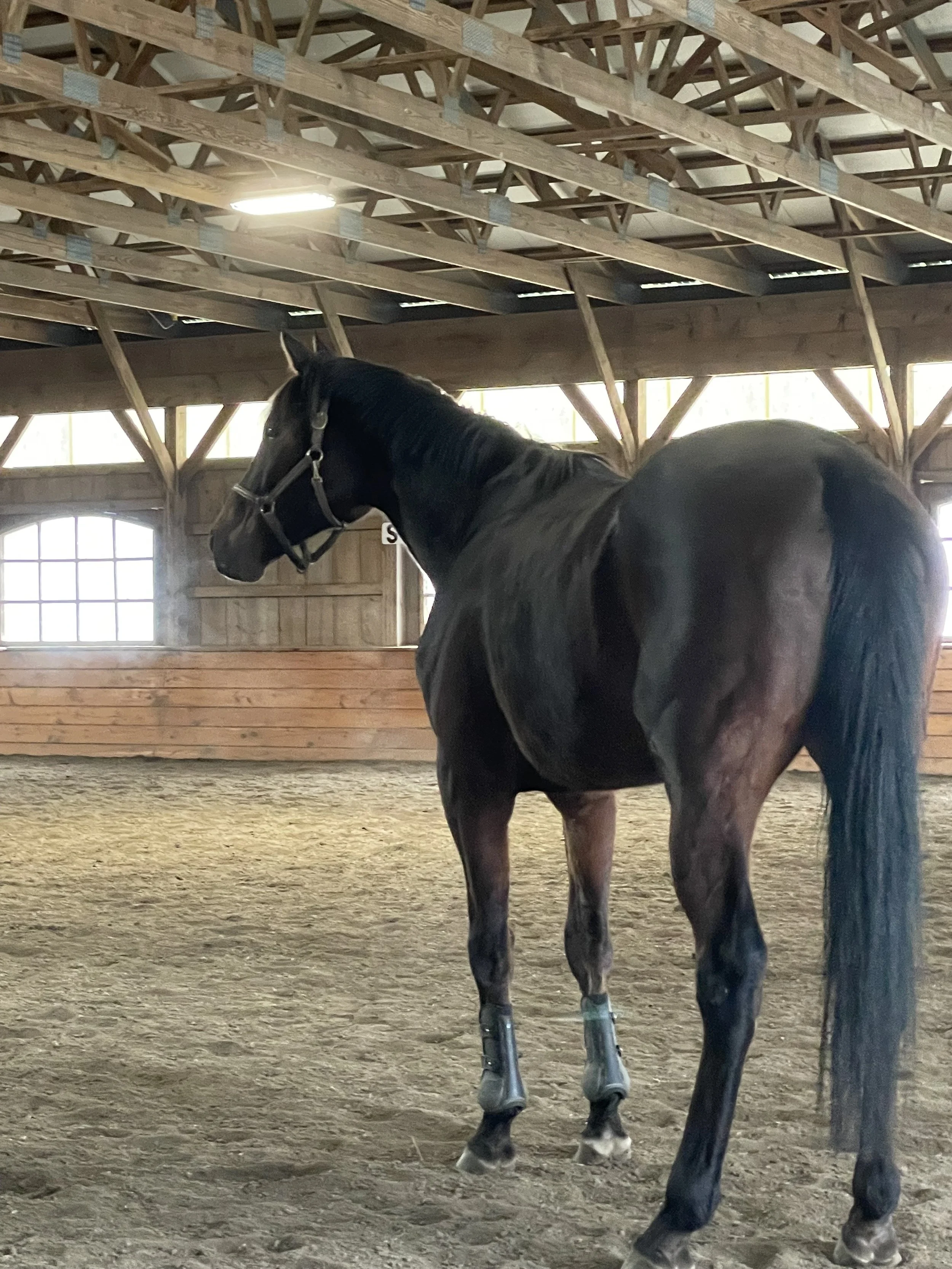
JC: Disarono standing regally - he is a ham !
Here’s the thing: as advocates, our job isn’t just to cheer for these horses from the sidelines. It’s not enough to share inspirational stories or post glamorous photos. We have a much bigger responsibility—to help guide new owners, to gently but firmly make sure people understand what it actually means to own a Thoroughbred. Because, let’s be honest, trends come and go. People get swept up in excitement, dreaming of galloping across cross country fields or winning blue ribbons, and forget that real preparation and understanding are required. The truth is, not everyone is naturally suited to own or ride a Thoroughbred, especially if the decision is more about excitement than about knowledge or readiness.
When I started BEYOND the Backstretch three years ago, it felt like I was shouting into the void. People would pat me on the back and then turn away, saying Thoroughbreds were used up, that they couldn’t compete with today’s elite warmbloods, it was lonely, honestly. Then, almost overnight, things shifted. Suddenly Thoroughbreds were everywhere. Magazines ran features on them. Big names in the industry started talking them up. There were new shows, new prizes, new organizations popping up. It was like someone flipped a switch: owning a Thoroughbred became the thing to do.
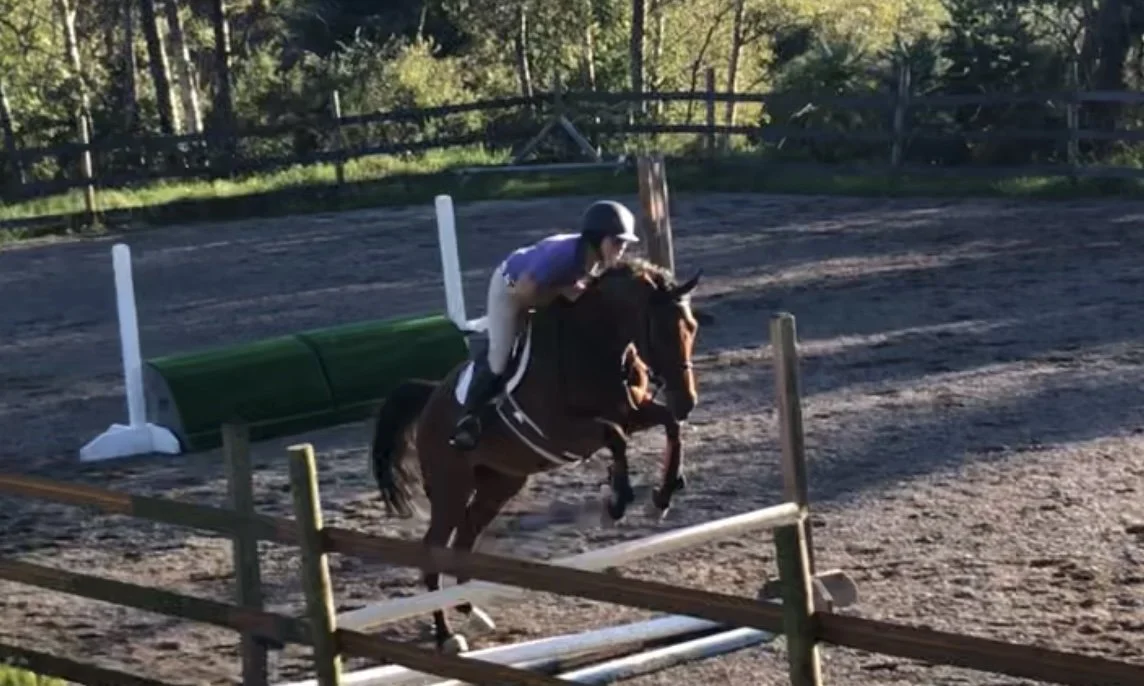
JC: Little Deuce Coup
Some days, I catch myself wondering—where were all these enthusiastic voices back when I was trying to get anyone to care? I don’t mean that in a bitter way, just...curious. But I know the answer. Thoroughbreds became a hot topic. An “it” horse. And people love to be part of something exciting.
But my relationship with Thoroughbreds has never been about what’s popular. For me, it’s a lifelong commitment. These horses have a kind of intelligence and heart that I haven’t found anywhere else. They try for us, even after giving everything they had on the track. They deserve more than just a moment in the spotlight—they deserve respect, patience, and a real chance to thrive.
With popularity, though, comes responsibility. It’s thrilling to see people appreciating the athleticism, the trainability, the sheer versatility of Thoroughbreds. But this movement needs to be grounded in real education, not just hype. The welfare of the horse always has to come first. Their longevity, their happiness—those are the things that matter most.
So, back to that phone call. Last week, a local farm owner reached out. They had a young woman who’d bought a Thoroughbred, full of dreams and enthusiasm, but without the experience or support she really needed. She’d been inspired by programs like the Retired Racehorse Project, by stories of transformation and triumph. But she didn’t have anyone guiding her, no experienced trainer to lean on, no safety net.
The outcome? It broke my heart, but I can’t say I was surprised. The horse became difficult—hard to handle, harder to ride. He wasn’t a bad horse. He was confused, overwhelmed, and didn’t know what was expected of him. The partnership hadn’t been given the foundation it needed, and so it started to crumble.
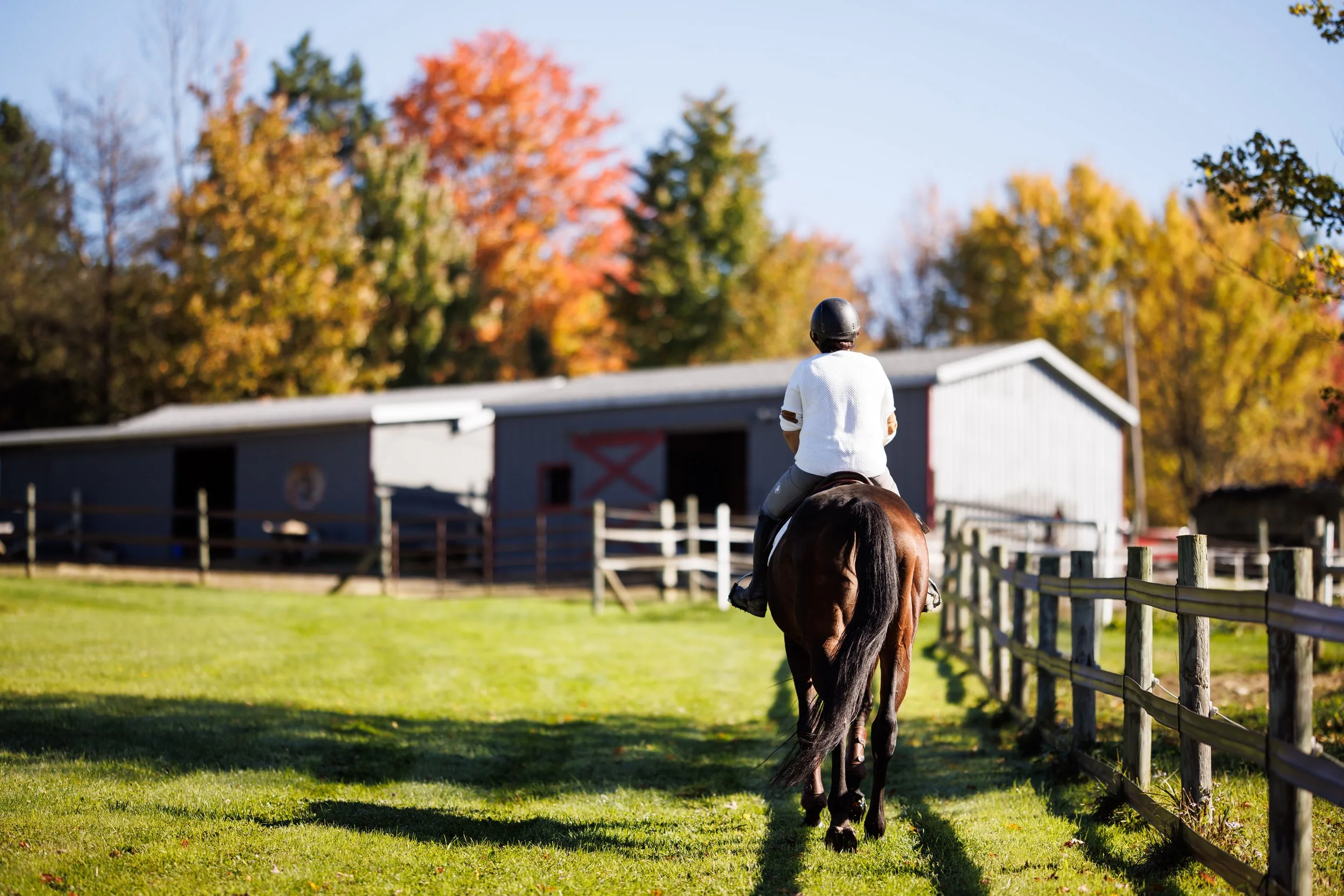
JC: Heavy Hitter walking back to the barn
This is where our responsibility as advocates really comes into play. It’s not enough to be enthusiastic. You need proper training, realistic expectations, and honest-to-goodness guidance if you want these partnerships to succeed. Otherwise, the horses pay the price.
When things go wrong, horses like this end up with a label—“dangerous.” That reputation sticks, and it follows them from owner to owner. Each time they’re passed along, the confusion and the stress build. Sometimes, the horse’s spirit—the generosity, the willingness that makes Thoroughbreds special—starts to fade away. By the time they make it to the last-chance pipeline, they’re often misunderstood and worn down, physically and emotionally.
So yes, let’s celebrate Thoroughbreds. Let’s open new doors for them in the show ring, in eventing, in dressage—everywhere. I’ll be the first to admit, I’ve pushed for this growth. I want people to see what I see: these horses are incredible. But none of that means anything if we don’t pair it with stewardship, education, and accountability. Not everyone is meant to own a Thoroughbred, and that’s okay. What matters is making sure the ones who do are truly prepared for the responsibility.
At the end of the day, promoting Thoroughbreds is the easy part. Protecting their future—that’s the real work. And I’m here for it!