The Road to Retraining Thoroughbreds: Slowing Down in a World That Rushes
I’ll be the first to admit it—my approach to starting and retraining horses might seem a bit old-fashioned. I’m methodical, deliberate, and some might even say slow. But after years of working with young horses and those facing challenges, I’ve learned that taking the long road often leads to the best outcomes. Not necessarily perfect outcomes, but sustainable ones. And in today’s horse world, sustainability is a conversation we need to have more often.
Right now, we live in a culture that rewards speed.
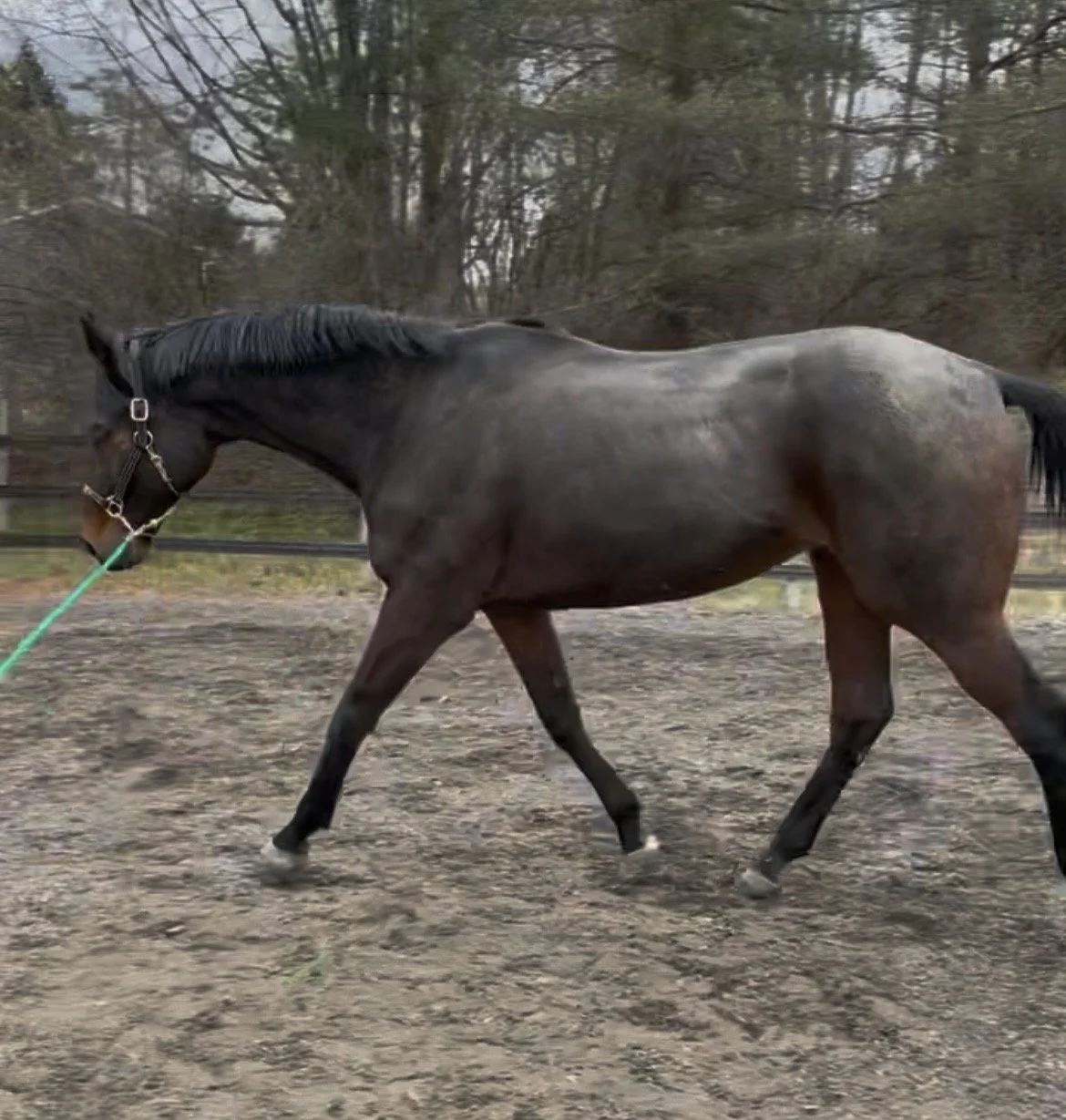
Amaretto and some ground work, learning voice commands
The Rush to the Show Ring
Scroll through social media, and you’ll see it everywhere: off-the-track Thoroughbreds (OTTBs) going from the racetrack to jumping full courses in just weeks—or even days. The professionals pulling this off are incredibly talented; they know how to ride and present a horse beautifully, making a green horse look seasoned. But here’s the question that doesn’t get asked enough: Is that horse truly ready, or is it just well-ridden in the moment? More importantly, is that horse prepared for its next rider?
Many of these horses won’t stay with those top professionals for long. They’ll move on—often quickly—to amateur homes, where the real test begins.
We’re also seeing a wave of new enthusiasts entering the Thoroughbred world, excited by what feels like a "Thoroughbred revival." These buyers are attracted to the athleticism, versatility, and heart of these horses. But that enthusiasm needs to be matched with proper support. Working with experienced trainers who understand Thoroughbreds is not just helpful; it's essential. The very sensitivity that makes these horses so special can also make them vulnerable.
In the right hands, their sensitivity becomes connection and responsiveness. Without guidance, it can easily turn into tension, confusion, and anxiety. And that’s not a flaw in the horse; it’s a gap in the process.
I Am Not a Reseller or Lister — But Let’s Talk About Them
Let me clarify: I am not a reseller or a lister. I don’t take horses in, move them quickly through a program, and sell them on a short timeline. That’s not how I operate. However, I recognize the important role resellers and listers play in the horse world. They help move horses along, create opportunities, and connect them with their next homes. Most are knowledgeable horse people who genuinely care about the horses in their program.
But here’s where I draw the line: once a horse leaves that system, that’s where true responsibility begins. That’s where the foundation should be built—not skipped. It’s where patience must take precedence over production. Too often, I see a horse that has already been rushed once being rushed again. This cycle sets both horse and rider up for failure.
The Missing Foundation
This issue extends beyond Thoroughbreds; it’s a trend seen across many disciplines. We’ve become an industry focused on the end result rather than the process. We want the finished product—now. But where is the horsemanship in that? Where is the time spent building a foundation that can support a horse through multiple riders, environments, and phases of life?
Off-the-track Thoroughbreds, in particular, deserve better. Many have been in structured training since before they turned two. Their lives have been highly managed, conditioned, and demanding—both physically and mentally. Then we pull them off the track and ask them to become something else immediately, with little pause in between.
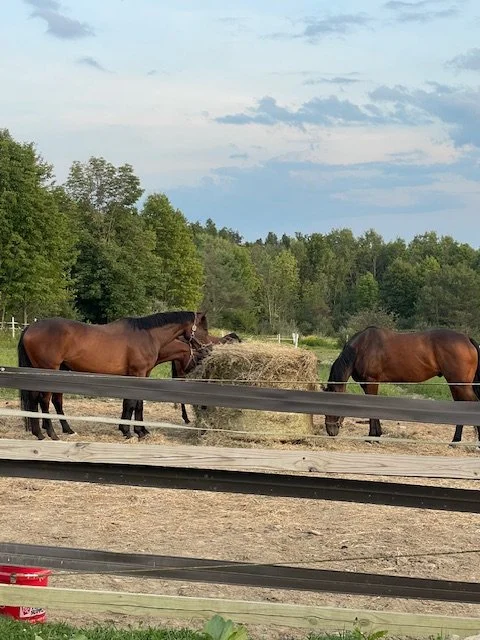
The four musketeers just hanging in the pasture.
Let Them Be Horses First
I don’t believe the best next step for an OTTB is a jump course. I believe it’s downtime. They need time to decompress, adjust, and simply be horses again. This doesn’t mean doing nothing; it means doing the right things at the right pace—groundwork, relationship-building, exposure without pressure. It’s about giving them a reset.
There’s also a very real, physical reason for this: ulcers. It’s estimated that between 80-90% of off-the-track Thoroughbreds are affected by Equine Gastric Ulcer Syndrome when they come off the track. This isn’t a failure on anyone’s part; it’s a result of the demands of racing life. Skipping the let-down period risks asking a horse to perform while uncomfortable or in pain. What may appear as behavioral issues or resistance can often be rooted in physical discomfort.
Giving them time to reset isn’t just kind; it’s necessary. A horse that has had the chance to mentally and physically reset is far more likely to succeed—not just in the next 90 days, but over the next 10 years.
The Question We Should Be Asking
Not long ago, I saw a post featuring a three-year-old OTTB already jumping 3-foot courses. The caption read: “Your next Derby horse.” Maybe it is. But here’s the question I wish had been asked instead: Is it also your next safe, reliable amateur horse? Because that’s where most of these horses are headed. If we aren’t training with that future in mind, then what exactly are we doing?
Where Do They End Up?
What happens to these horses down the line? How many go on to long, successful second careers? How many are resold again and again because the foundation was never truly there? How many end up in situations that could have been avoided with just a little more time, patience, and horsemanship?
I would love to see real data tracking horses from the racetrack through their second careers and into retirement—not just the success stories, but the full picture. Without that, we’re telling only part of the story.
A Different Approach
This year, I’m considering adopting a young horse from a rescue in Maryland—one that was pulled from the auction pipeline. If I’m fortunate enough to bring him home, my plan won’t be flashy or fast. It will be intentional. He’ll get a year to grow up, focusing on groundwork, trust, and simply learning how to be a horse again—no pressure to perform, no artificial deadlines. Just a solid foundation.
From there, I hope to apply for the 2027 Retired Racehorse Project—not just to compete, but to demonstrate what’s possible when we slow down.
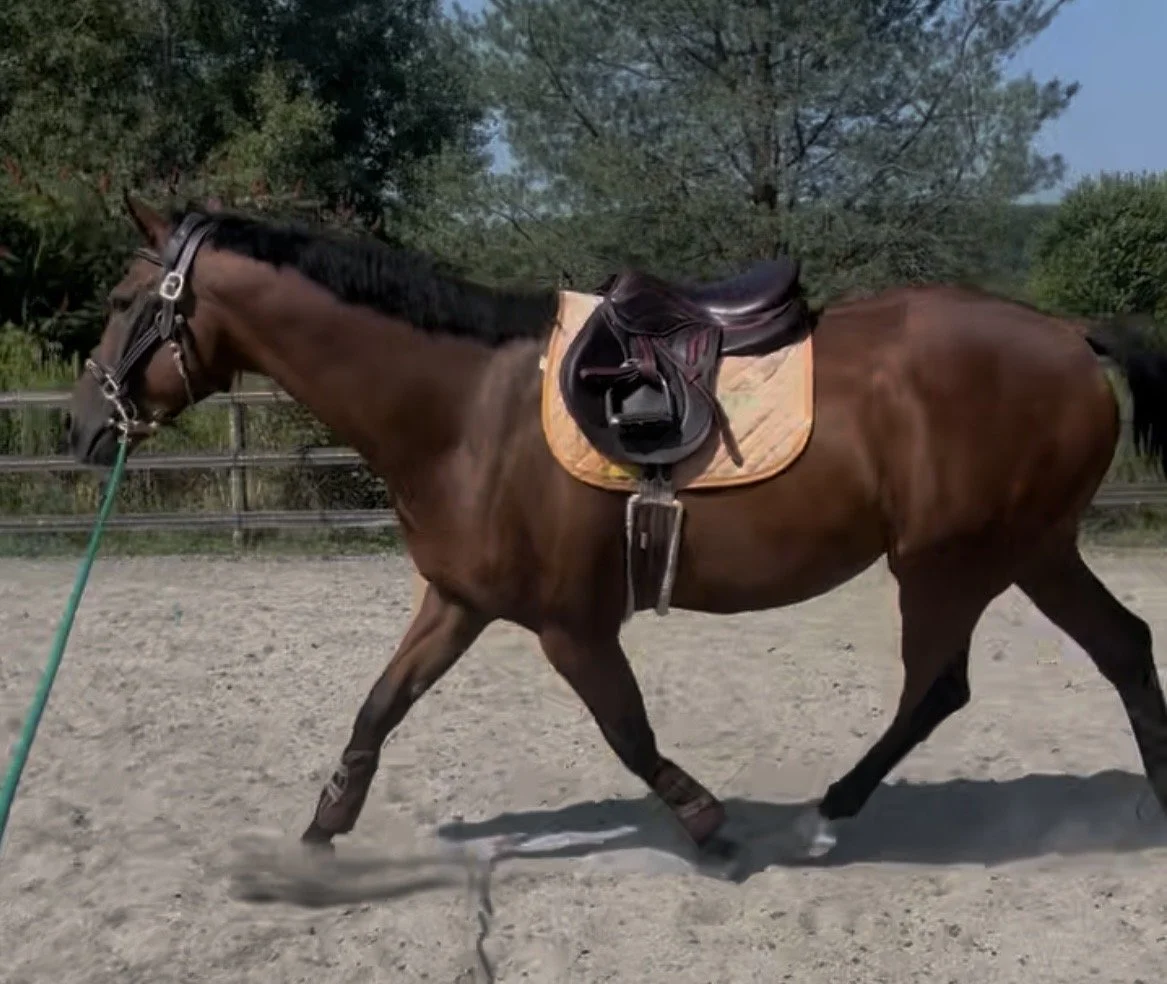
Lil Deuce Coop
Final Thoughts: This Is About Responsibility
This isn’t about criticizing individuals; it’s about challenging a system and mindset. We all say we want the best for these horses. We celebrate their athleticism, heart, and versatility. But if we truly want to honor them, we must be willing to do the less glamorous work—the slow work, the foundational work.
Retraining isn’t about how quickly a horse can perform. It’s about how well we prepare them for a lifetime beyond the track. That responsibility doesn’t belong to just one person in the pipeline; it belongs to all of us.
I’m sure some trainers will disagree with this perspective. But in a culture that increasingly rewards speed and instant results—often amplified by social media—we must ask whether we’re losing sight of the horsemanship and foundational work necessary for long-term success.